
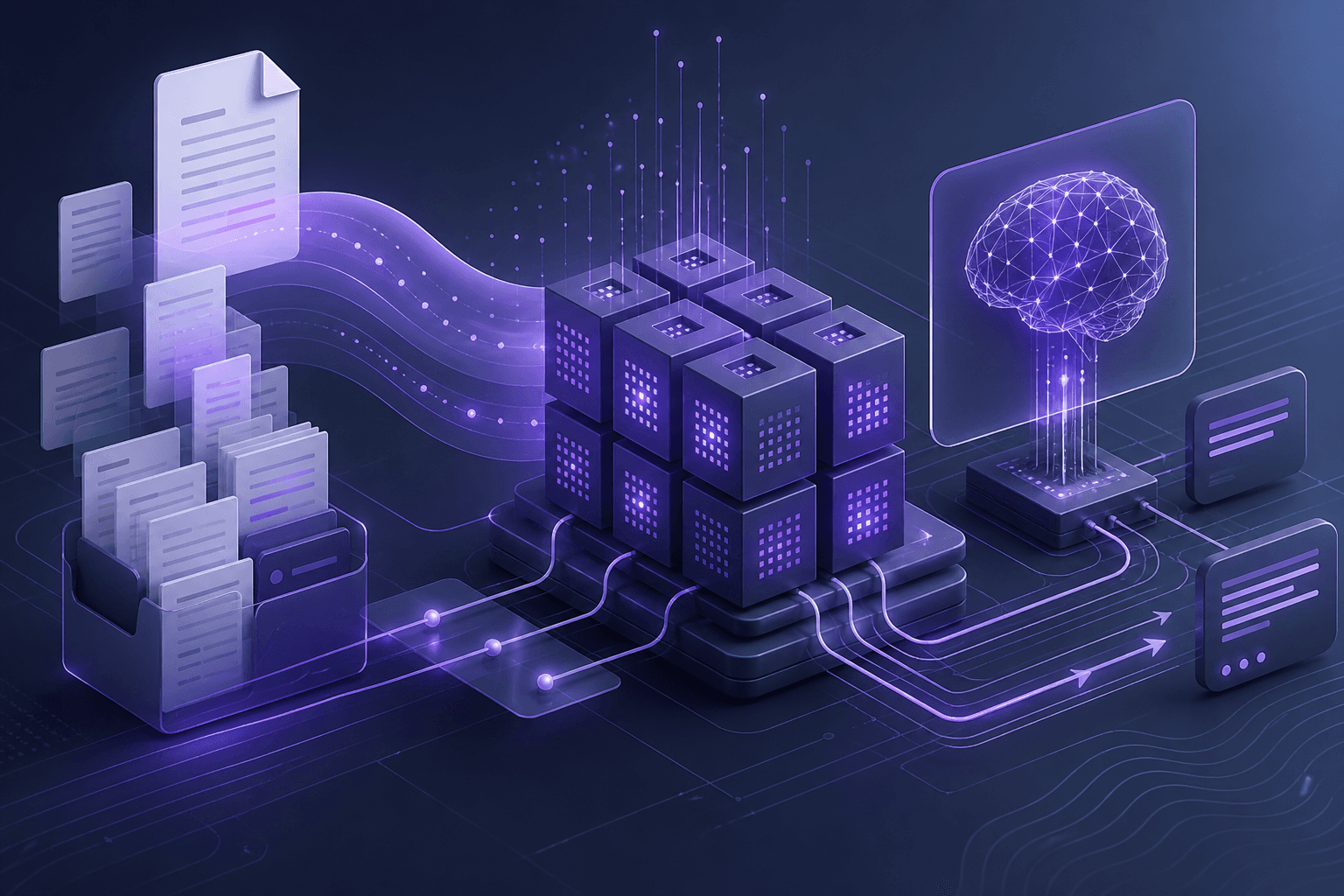
Retrieval-augmented generation (RAG) is the workhorse pattern for grounding LLMs in your documents, policies, and product data. It works until it does not—when chunks are wrong, citations are missing, or latency spikes under load.
These lessons come from production systems we have built and maintained, not notebook prototypes.
Chunking and metadata beat fancier models
Most RAG failures trace back to ingestion: poor chunk boundaries, missing titles, stale versions. Invest in pipeline observability before swapping embedding models.
Structured metadata—product line, region, effective date—filters retrieval more reliably than hoping the model ignores irrelevant passages.
Evaluation is not optional
Maintain a golden set of questions with expected sources and acceptable answer shapes. Run it on every index rebuild and prompt change.
Track faithfulness, citation accuracy, and abstention rate when context is insufficient.
- Log retrieved chunk IDs with each answer for debugging
- Sample production queries weekly for human review
- Set latency budgets for retrieval and generation separately
Security and access control
Retrieval must respect the same permissions as your source systems. Index time filtering or query-time ACL checks prevent leakage across tenants or departments.
Need help shipping RAG in production?
Brixol integrates RAG into CRM tools, support inboxes, and custom portals. Talk to us about your document corpus and SLA requirements.
/Keep reading
Related articles
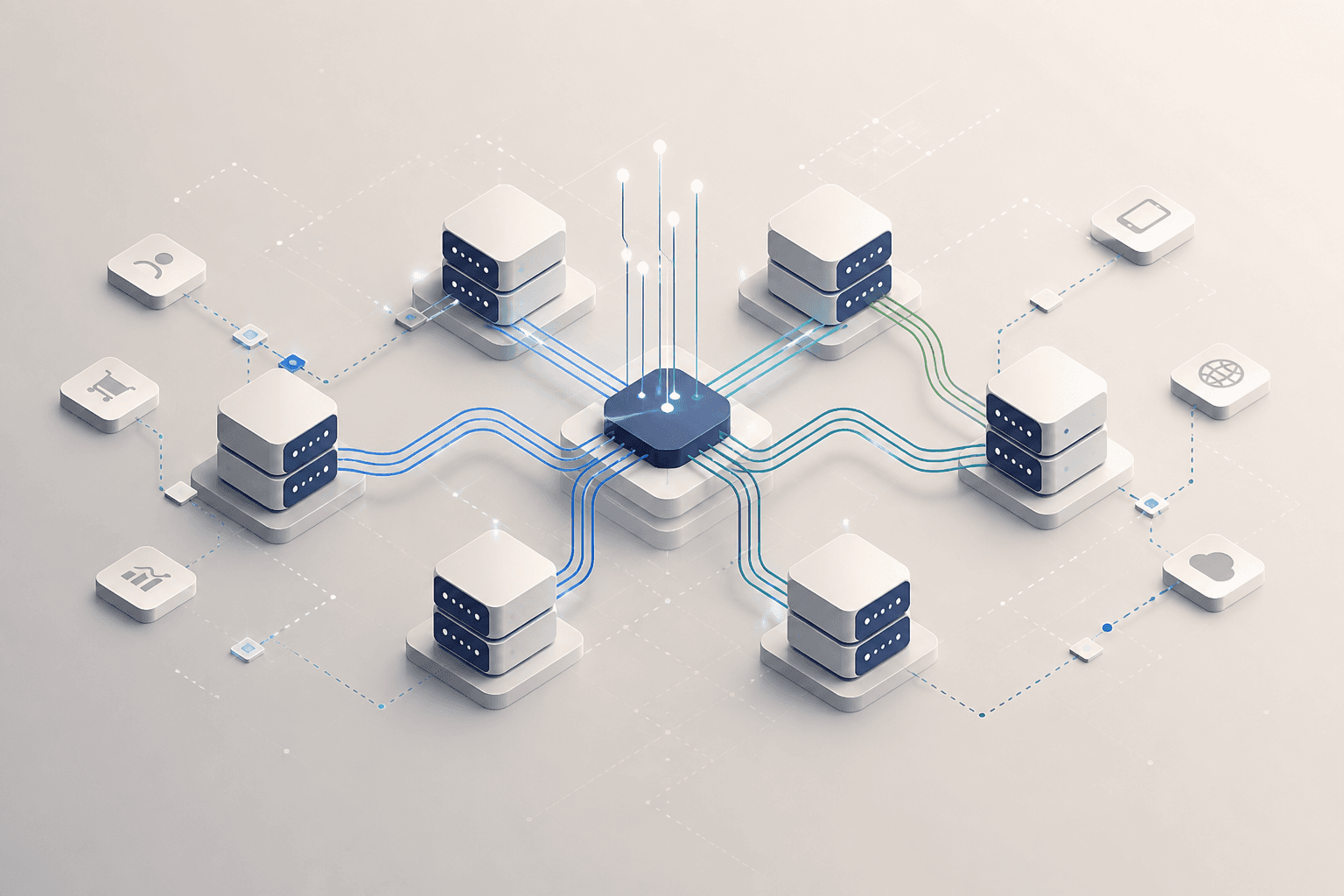
Scaling APIs for sustainable growth
Patterns we use to keep latency low and reliability high as traffic and teams grow.
Read article
What is agentic AI and when should your business use it?
A practical guide to autonomous AI agents—what they do well, where they fall short, and how to evaluate fit for your operations.
Read article
How to choose a software development agency
What to evaluate before you sign—delivery model, technical depth, communication, and fit for long-term product work.
Read article